
Case Study: How One Student Improved from Band 6 to Band 8 in Reading
IELTS reading case study band 6 to 8 is more than just an inspiring success story—it’s a practical example of how targeted strategies can transform exam performance. In this blog, you’ll see how one student moved from a Band 6 to a Band 8 in the Reading section, along with the exact improvement methods that […]
IELTS Reading Do’s and Don’ts: Expert Checklist
IELTS reading dos and don’ts form the foundation of effective test preparation. Many students enter the Reading section feeling confident, only to lose marks on avoidable mistakes. In this blog, you’ll find a clear expert checklist showing what works, what doesn’t, and how to build a reliable strategy for steady progress. By understanding these dos […]
IELTS Reading for Band 7–9: Complete Guide with Tips, Strategies & Practice
If you want to achieve Band 7–9 in IELTS Reading, you need more than just a good vocabulary. You need exam strategies that save time and improve accuracy. One of the most powerful strategies I teach my students as a global IELTS trainer is skimming in IELTS Reading. This technique allows you to understand the […]
IELTS Writing Task 2 Modals and Hedging for Academic Tone
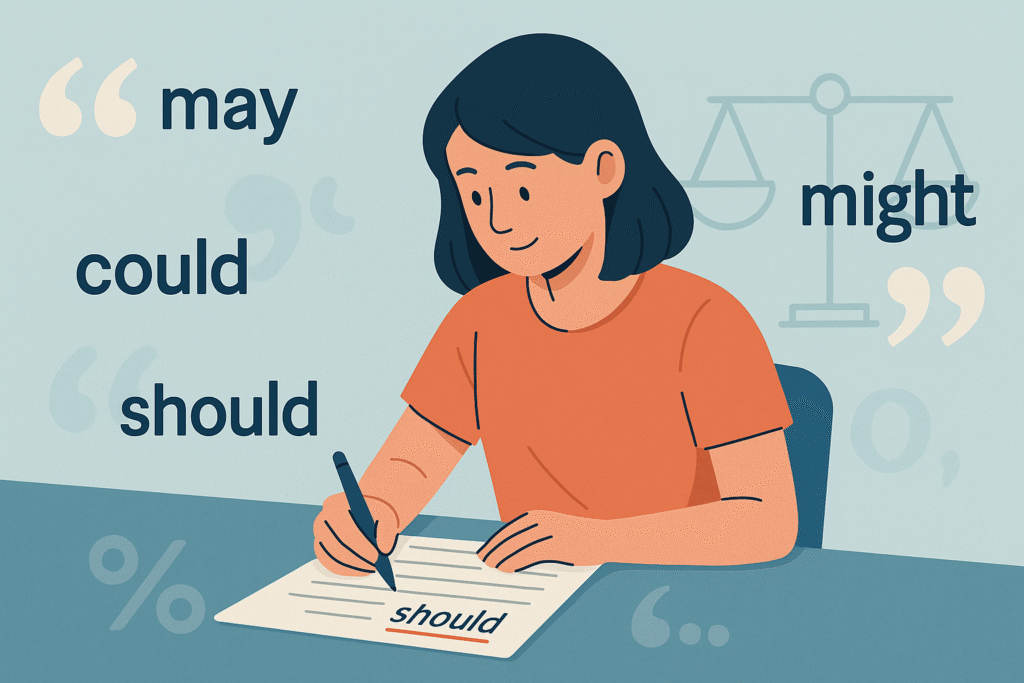
One of the easiest ways to make your IELTS Writing Task 2 essays sound academic and examiner-friendly is to use modals and hedging language correctly. When my students ask, “Why do my essays sound too direct or informal?” my answer is simple: “You need to hedge your statements and use modal verbs to create a […]
IELTS Listening Short Answer Questions: How to Answer Effectively
As an international IELTS teacher, I’ve seen countless learners struggle with IELTS Listening Short Answer Questions. These questions seem simple at first, but many students lose marks because they write too much, miss key words, or misinterpret the instructions. In this blog, I’ll share practical strategies I’ve taught to thousands of students worldwide, along with […]
IELTS Listening Matching Type Questions: Best Approaches
When preparing for the IELTS Listening test, many of my students tell me that IELTS Listening Matching Type Questions are among the trickiest. These questions require strong focus, quick thinking, and careful note-taking. Over the years of teaching learners worldwide, I’ve noticed that even high-level candidates often lose marks here—not because they don’t understand the […]
IELTS Listening Map and Diagram Labelling: Step-by-Step Tips
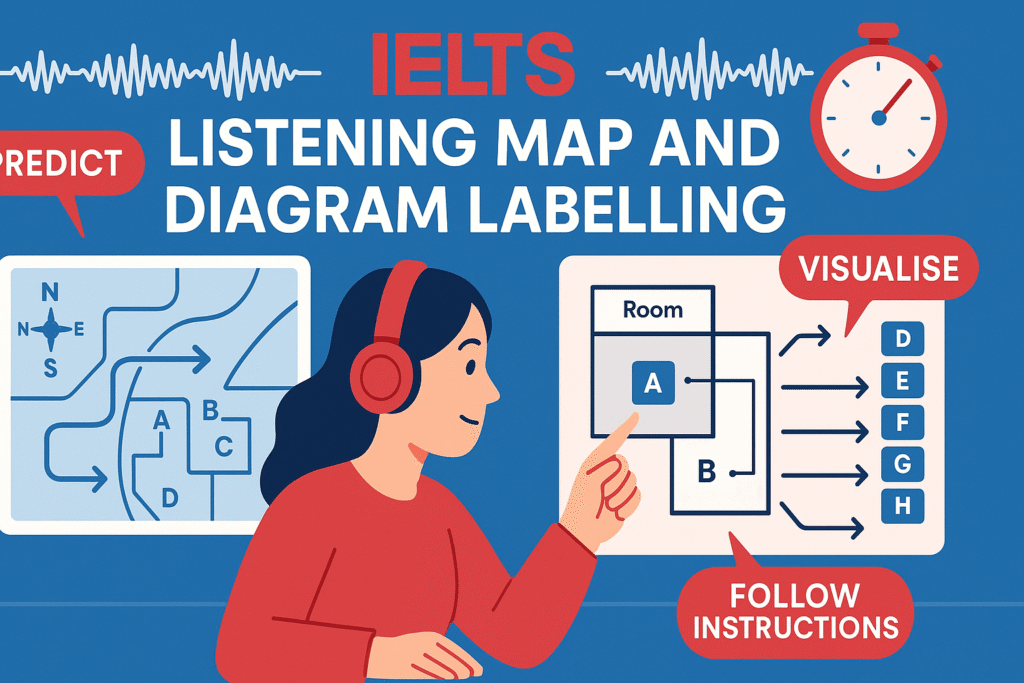
If you’ve ever found IELTS Listening map and diagram labelling questions tricky, you’re not alone. As an international IELTS teacher helping students worldwide, I’ve seen many learners stumble at this stage of the test. The good news? With the right techniques, these questions can actually become your strongest area. Let me walk you through real […]
IELTS Writing Task 2 Conditional Sentences and Hypothetical Structures

One of the most powerful ways to show advanced grammar in your IELTS Writing Task 2 essay is to use conditional sentences and hypothetical structures. When students ask me, “How can I make my essay sound more academic and reach Band 7–9?” I often answer: “Learn to use conditional sentences naturally. They show cause and […]
Using Active and Passive Voice in IELTS Writing Task 2
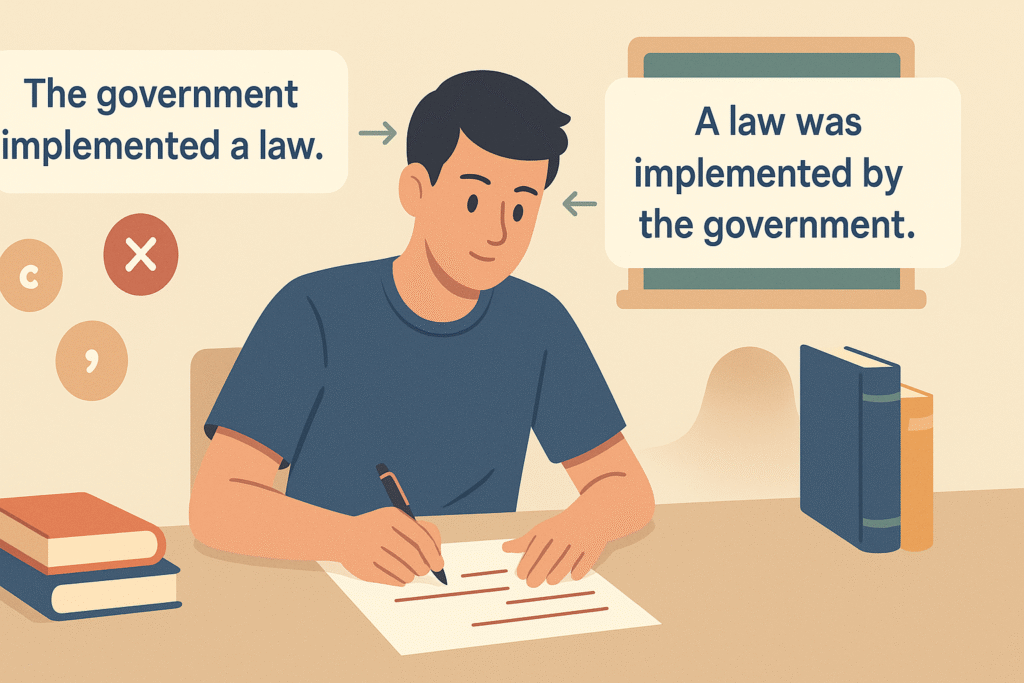
When I guide my IELTS students, one grammar question comes up often: “Should I use active or passive voice in my Task 2 essay?” The truth is, both voices are important. Active voice keeps your writing direct and clear Passive voice makes your writing formal and objective, which is useful in academic contexts Mastering IELTS […]
IELTS Writing Task 2 Subject-Verb Agreement and Tense Accuracy
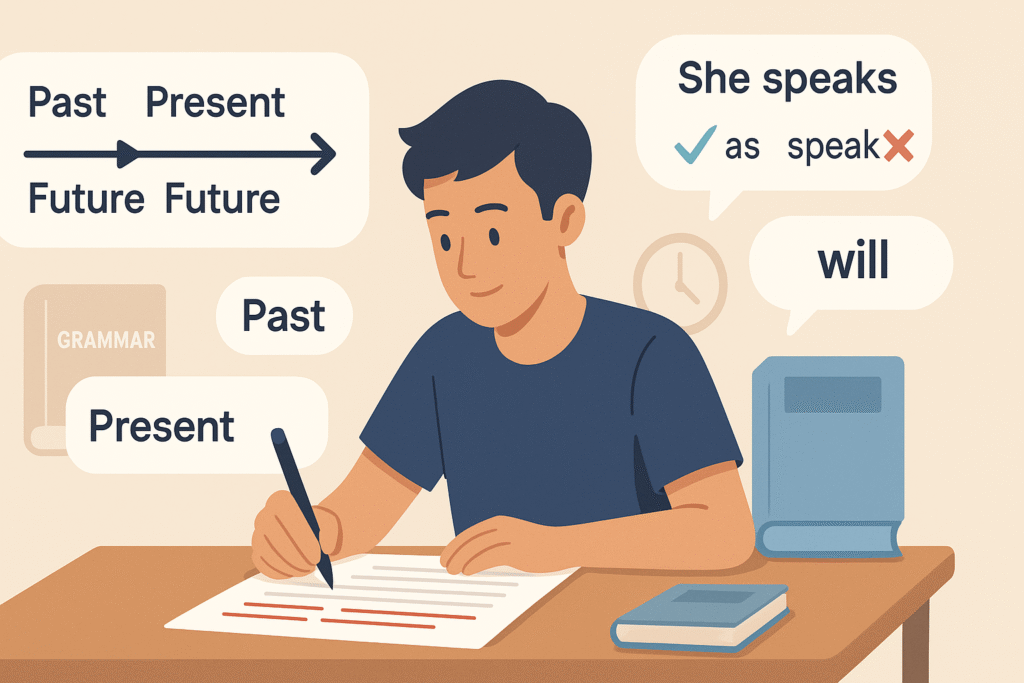
When my students ask why their IELTS Writing Task 2 essays stay stuck at Band 6 or 6.5, one of the first areas I check is grammar accuracy. Two of the most common reasons for lost marks are: ❌ Incorrect subject-verb agreement ❌ Inconsistent or incorrect tense usage Both of these issues are part of […]